
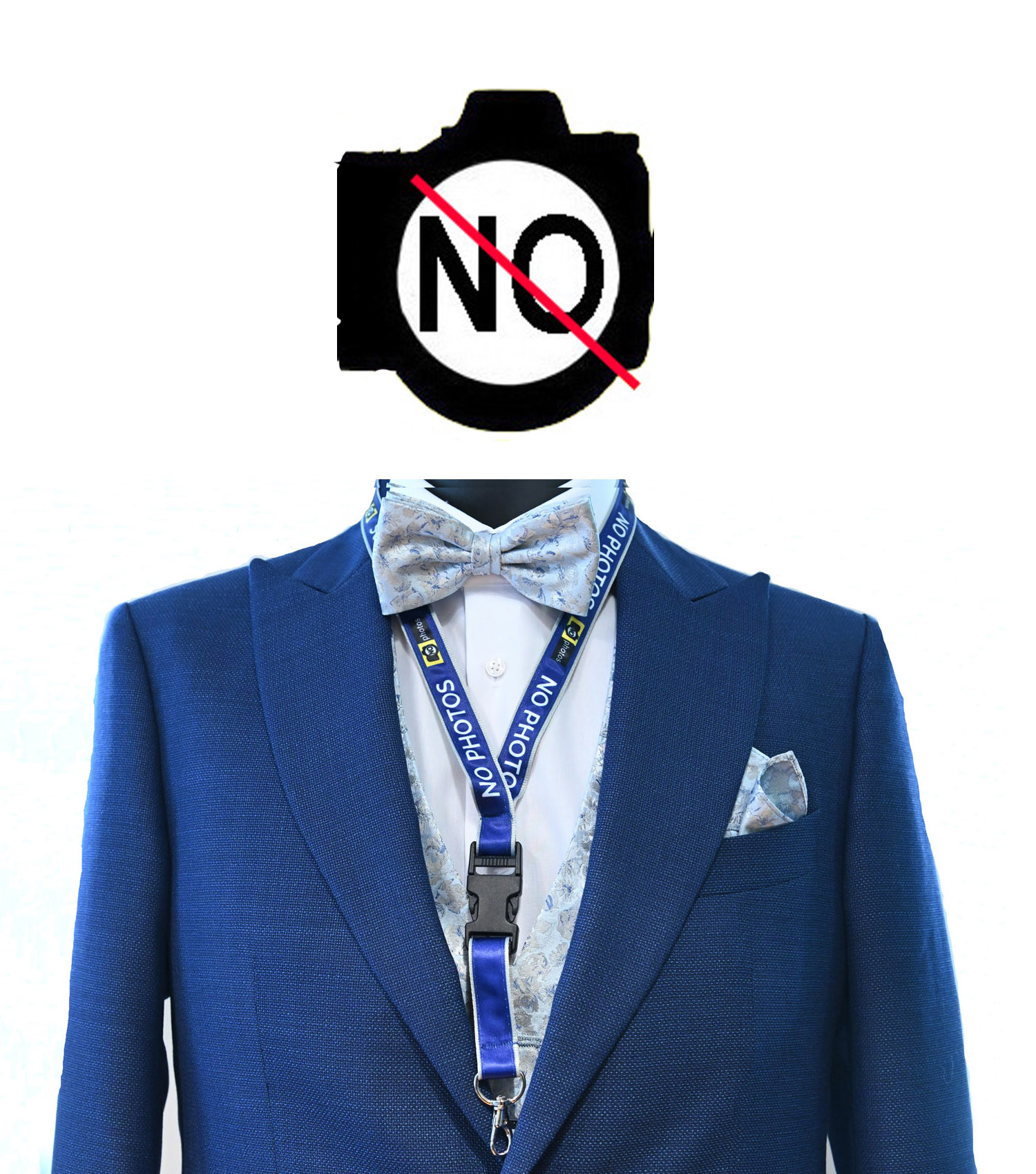

DO NOT TAKE MY PHOTO!
We live in an era in which almost everyone has a mobile telephone equipped with a camera. People take ‘digital selfies’ everywhere, they photograph family members, friends, acquaintances, and sometimes unknown individuals! A substantial number of these photos are published on social media.
Digital photos are of a world with the fundamental need of visibility and of public resonance.
The camera is an amazing invention by Joseph Nicéphore Niépce in 1816. Today, the convenience is undeniable of having a camera to ‘rapidly capture digitally’ anything or anyone. Today, having a camera has made many into full-time reporters, leasding to exposing life befor risk for the temptation of recording and publishing before others.
Generally, in democratic countries you can legally take photographs of people in public spaces. That is, in places where there is no legitimate expectation of privacy.
While capturing images in public surroundings is usually permitted, publishing these photos for commercial usage, or in a way that infringes on personal rights, such as singling out individuals, often requires previous consent.
You can refuse to being instantly photographed!

Clearly state not to be photographed! Stand alone or with accessories.
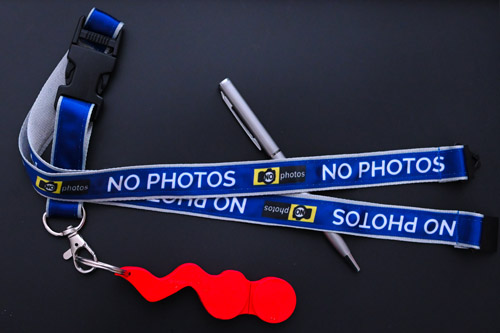
Memory USB: ideal for easy access
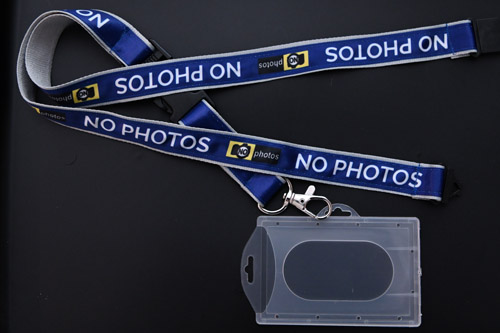
Identification: attach credential or business card
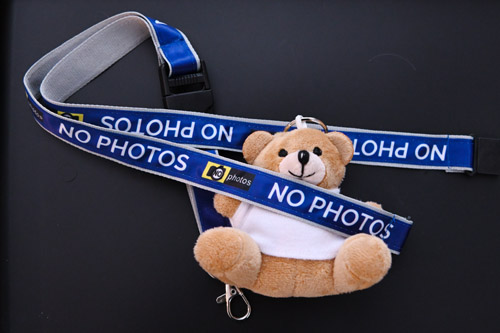
Fashion accessory: attach a pendant or adornment.

Keychain: never misplace your keys.
QUICK. . . SHARE THAT IMAGE ONLINE!
Global social platforms, such as Facebook, Instagram, TikTok and WhatsApp, counting with an estimated 2-3 billion monthly worldwide users, permits to each one to publish or share photos in a simple and fun manner.
However, photographing some persons does not always amount to good humor and entertainment. For personal reasons, some men and women do not want to be photographed in public spaces, during a meeting, a conference or an event.
Some personal motives why people do not want to be photographed include:
1. Concept beyond appearances: a photo feels superficial, because it only captures the physical characteristics, not the real personality.
2. Concentrated identity: turns the person into one simple moment, usually with one expression and from one angle. These persons generally express the right to a private life.

Practical: attach glasses, pen, keys, badge, even Teddy!

High visibility: Don't take my photo!
It would be unrealistic for someone whom does not want to be photographed to walk around informing everyone nearby carrying a phone-camera, or any digital image capturing device. This is especially true in international public locales/countries.
The NO PHOTOS text on the lanyard can be understood by billions of people, even if the person is not an English speaker.
You can exercise the right to your own image. In Switzerland and France, the capture and diffusion of your image require explicit consent, except for public events or of people involved in the news.
Refuse textually to be photographed whenever a camera o mobile telephone is pointed towards you.
Assert firmly your rights with courtesy by using the lanyard with the message “No Photos!” It can help you to avoid indiscreet camera lenses
ORDER THE "NO PHOTOS" LANYARD
Order the 'No-Photos' lanyard = 1 for CHF 9.00 (nine Swiss francs)
Including shipping anywere in Switzerland.
Order the 'No-Photos' lanyard = 1 for CHF 15.00 (fifteen Swiss francs)
Including worldwide shipping
